
What happens when publishing stops being the bottleneck
Two founders, two very different products, the same pattern: flat organic traffic for months, then a steady climb once research, writing and publishing ran on their own.

Mike Strives
 Founder at Upvoty
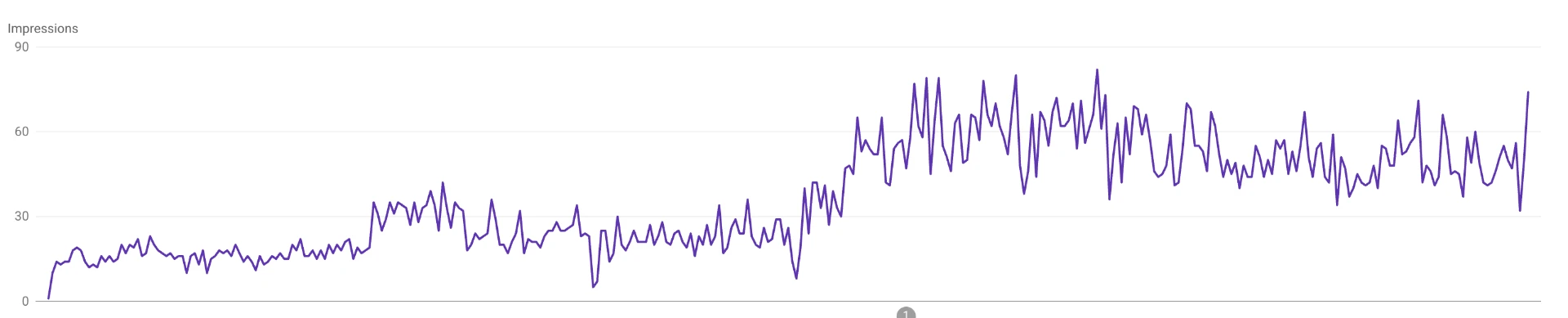
Upvoty sat flat at roughly 1.000 visitors a month for half a year. Six months of Rankdesk later the blog carries most of the signups.
"We were writing one post a quarter at best. Rankdesk turned that into three a week, and the traffic curve finally started to look like a curve."
9.4x
organic visitors
72
articles published
3/week
publishing cadence
32
DR before
71
DR after
Upvoty is a feedback and roadmap tool for SaaS teams. The product was solid, the pricing worked, but the site only ranked for the brand name. Everything else came from paid channels and word of mouth, and the blog had five posts on it, all older than a year.
Rankdesk started by reading the site: every product page, the docs, the changelog, plus three competitors and the existing Search Console data. That research produced a keyword plan with clear buckets: feedback boards, roadmap software, feature voting, and a long tail of comparison and alternative pages.
From there it ran on autopilot at three articles a week, published straight into the site with internal links to the product pages, a data table, an embedded video and a featured image per post. Mike reviewed the first month, then switched auto publishing on and stopped looking at drafts.
The compounding effect showed up in month three. Pages that were written in month one started ranking, the internal links pushed authority to the product pages, and the long tail brought in people who were already comparing tools.

Matthias
 Founder at CountdownTimer.ai
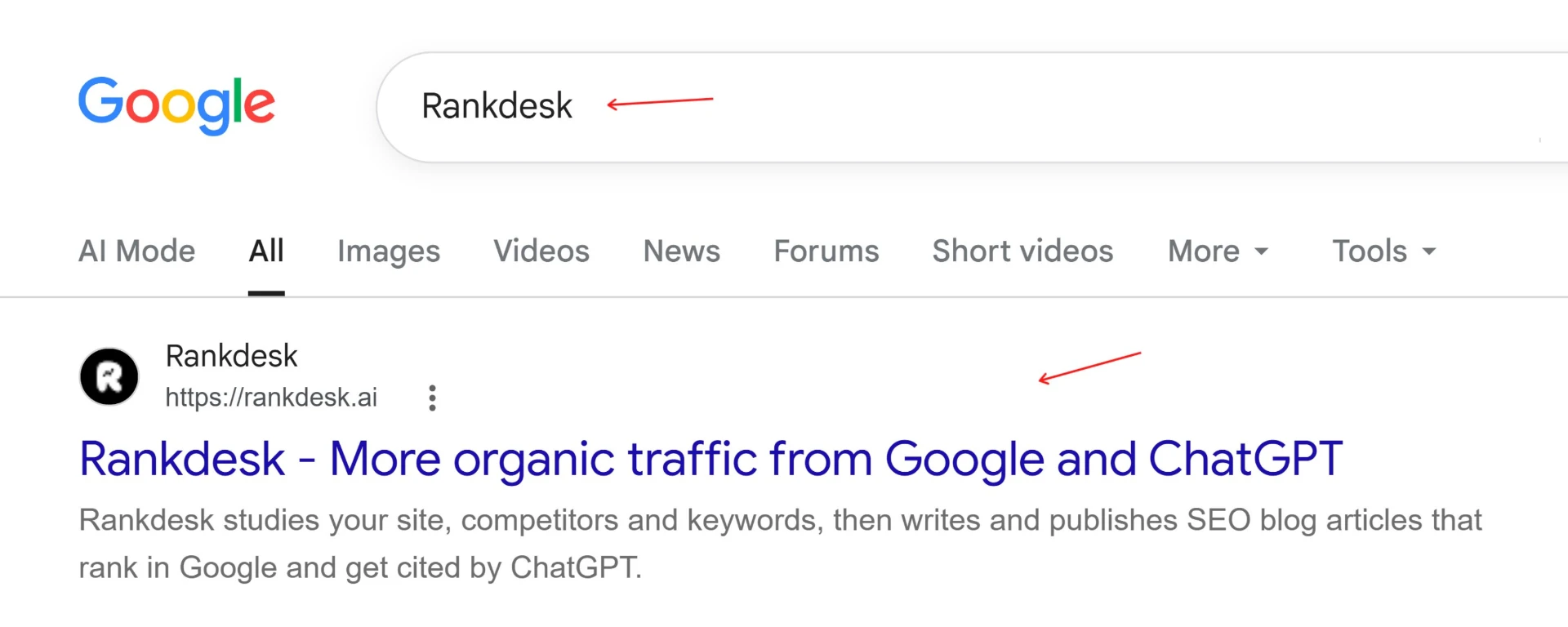
CountdownTimer.ai went from a landing page with no content to a library of use case pages that rank for every timer variation people search for.
"A tool this specific lives or dies on long tail search. Rankdesk covers a hundred variations I would never have had the time to write."
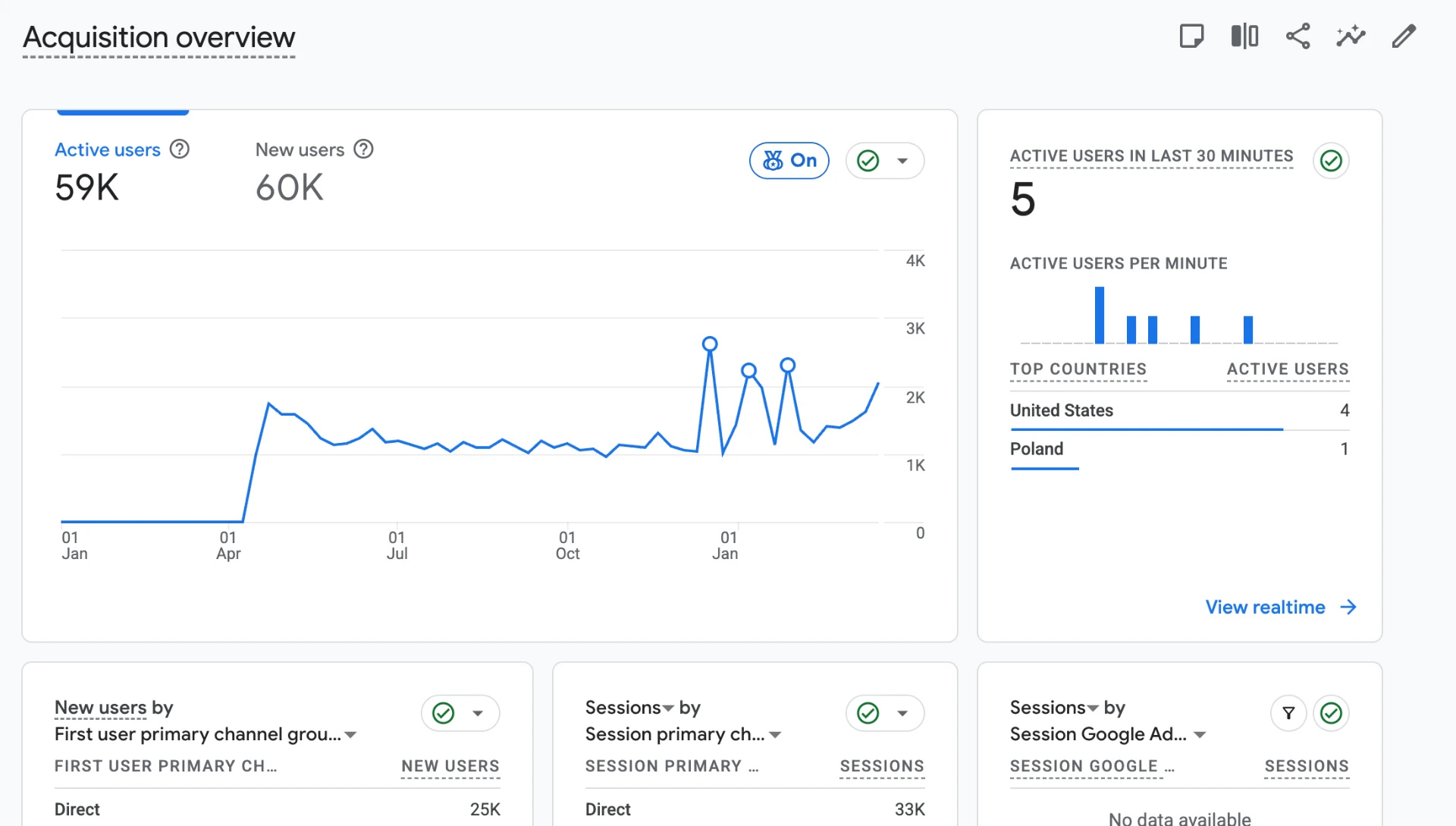
13x
organic visitors
38
pages published
1/week
publishing cadence
CountdownTimer.ai sells embeddable countdown timers for shops, launches and campaigns. The product page explained what it did, and that was the whole site. Search demand existed, but it was spread over hundreds of tiny queries: timers for Shopify, for email, for webinars, for Black Friday, for a specific event date.
That is exactly the shape of problem Rankdesk handles well. The research pass grouped the demand into platform pages, occasion pages and how-to guides, then built a calendar that worked through them in order of opportunity instead of alphabetically.
Every page ships with a working example, a comparison table, links back to the pricing page and a call to action that Rankdesk writes per article. Matthias runs it at one article a week and reviews nothing, because publishing goes straight to the CMS as a draft that goes live on schedule.
The result is a site that answers the exact question someone types before they need a timer, which is the cheapest traffic a small product can buy.
What customers say
They are growing with SEO on autopilot

Mike Strives
Upvoty
"Six months in and our blog went from 1.020 to 9.640 visitors a month. I still cannot quite believe a tool did that while I worked on the product."
Matthias
CountdownTimer.ai
"13x more organic visitors from 38 pages I never had to write. Rankdesk covers long tail searches I would never have found myself."


Sofia Lindqvist
Trailkit
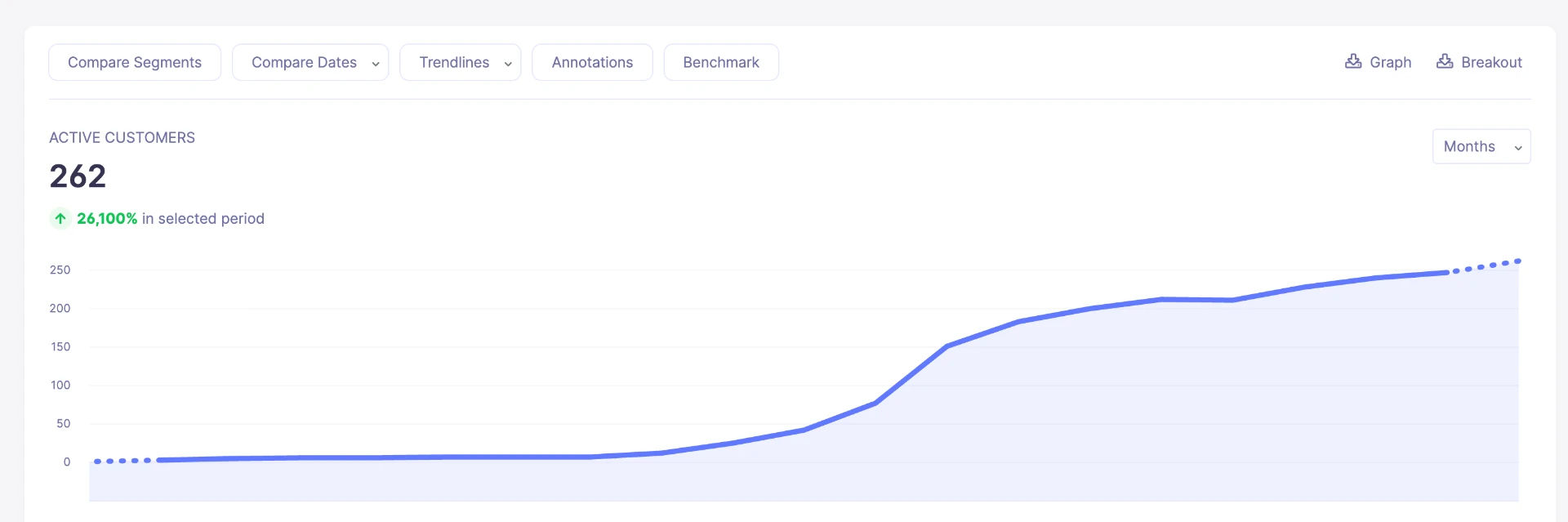
"Blown away with Rankdesk, tbh. 90 days, 34 articles, and we tripled signups from search without hiring anyone."

Daniel Okafor
Ledgerly
"We paid an agency 4k a month for less. Rankdesk put us on page one for eleven keywords in one quarter."

Priya Raman
Formcase
"Honestly stunned by the quality of Rankdesk.. Our head of content reads every draft and changes almost nothing."
Mike Strives
@mikestrives
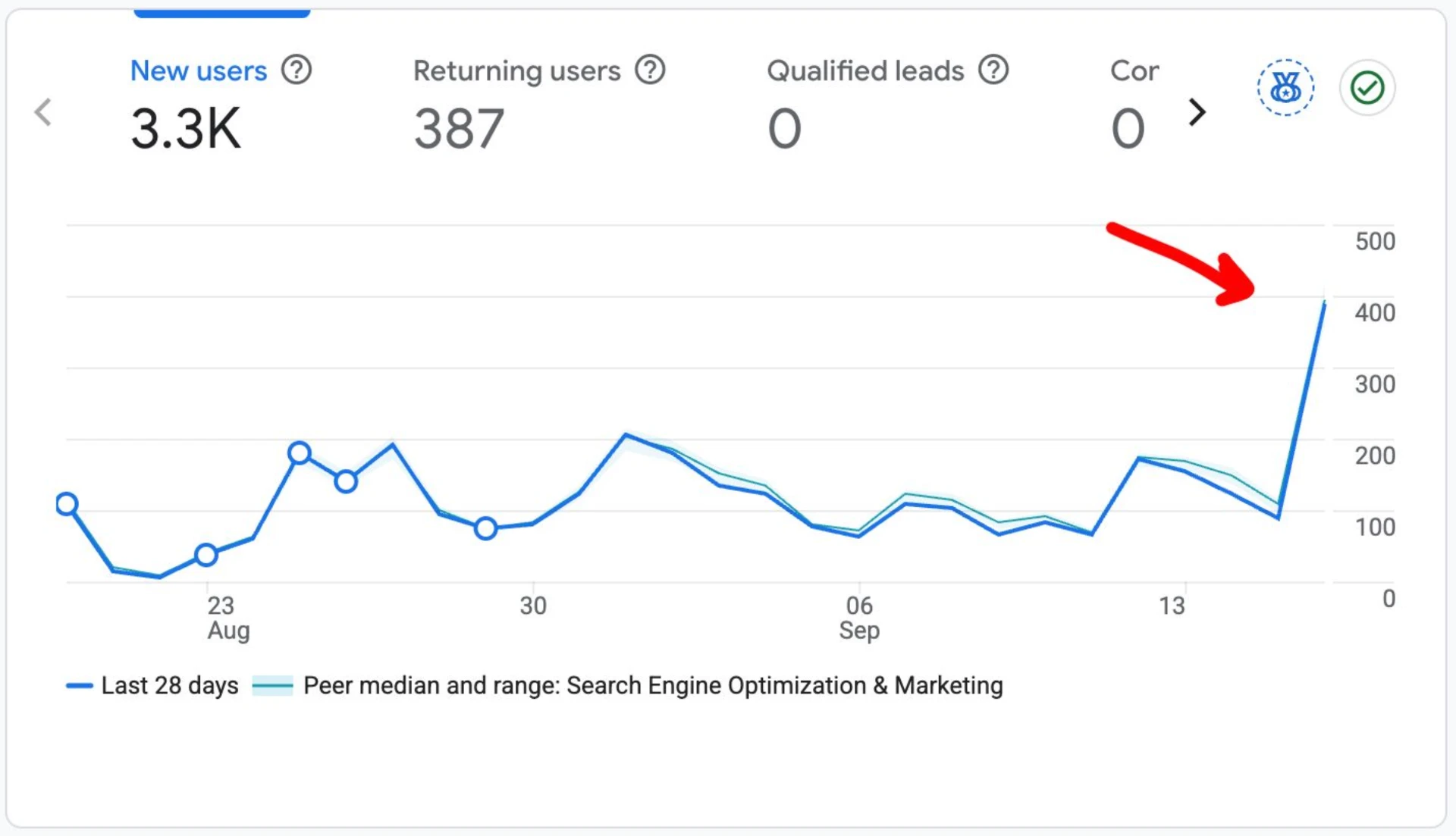
"OMG THIS JUST WORKS (RANKDESK)"

Tom Beckers
Beckers Roofing
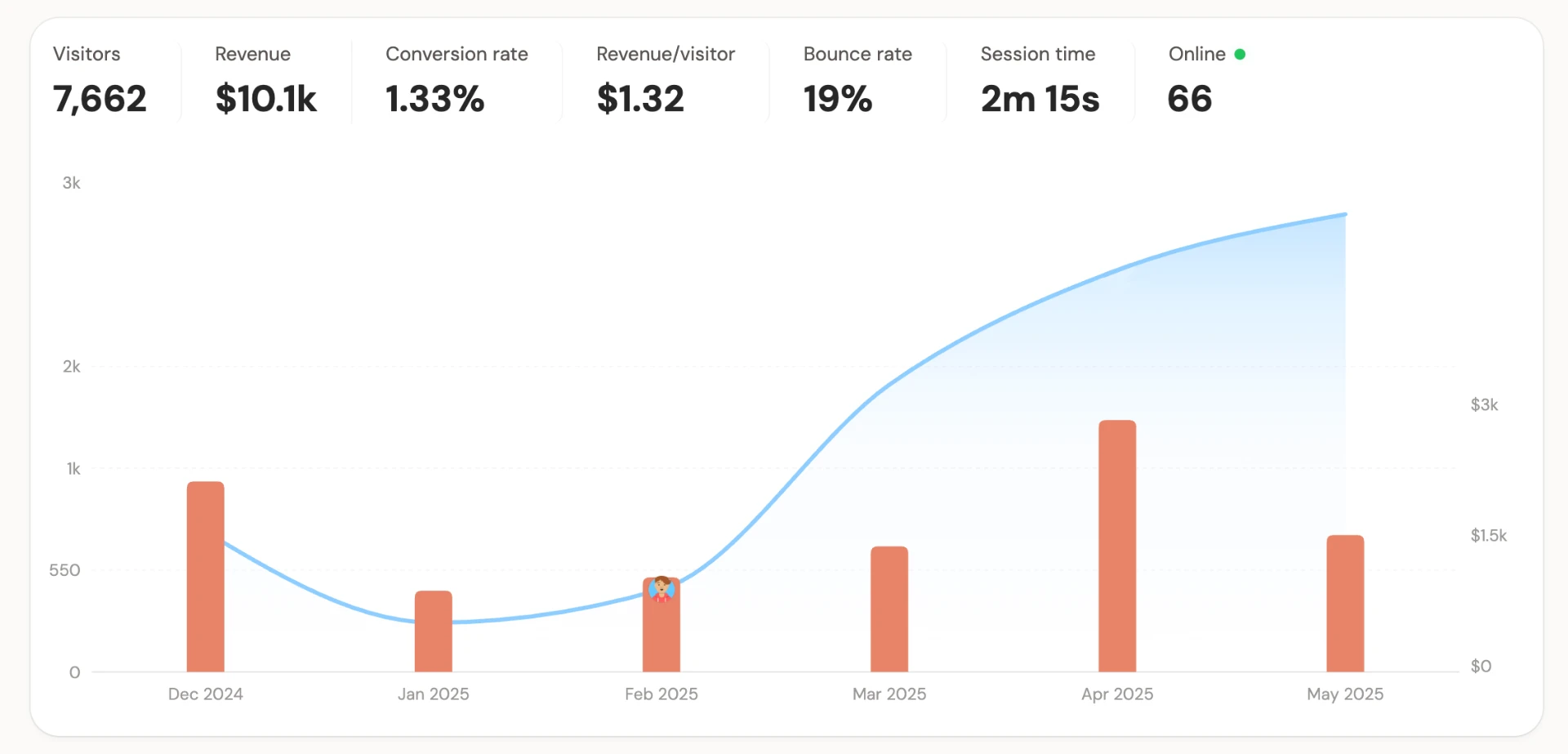
"Twelve city pages later my phone rings with jobs from towns I never advertised in. Best money I spend all month."

Emily Carter
PetPlate Co
"Our shop went from 400 to 6.200 organic sessions a month. Two of the articles now bring in more revenue than our ads."

Lucas Moreau
Devlane
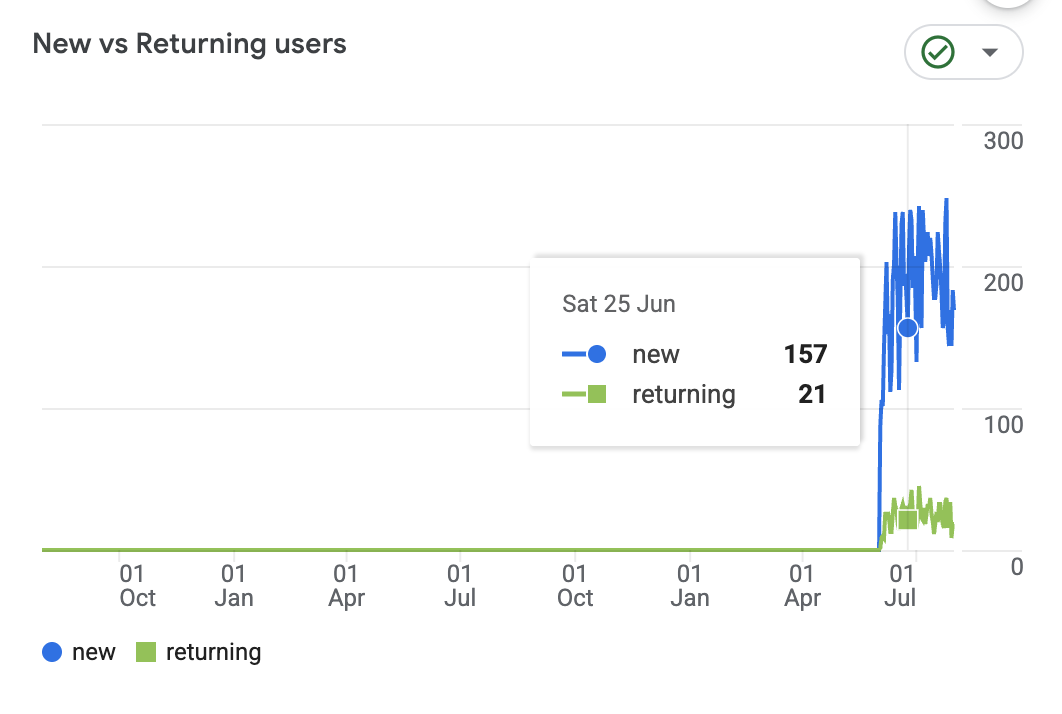
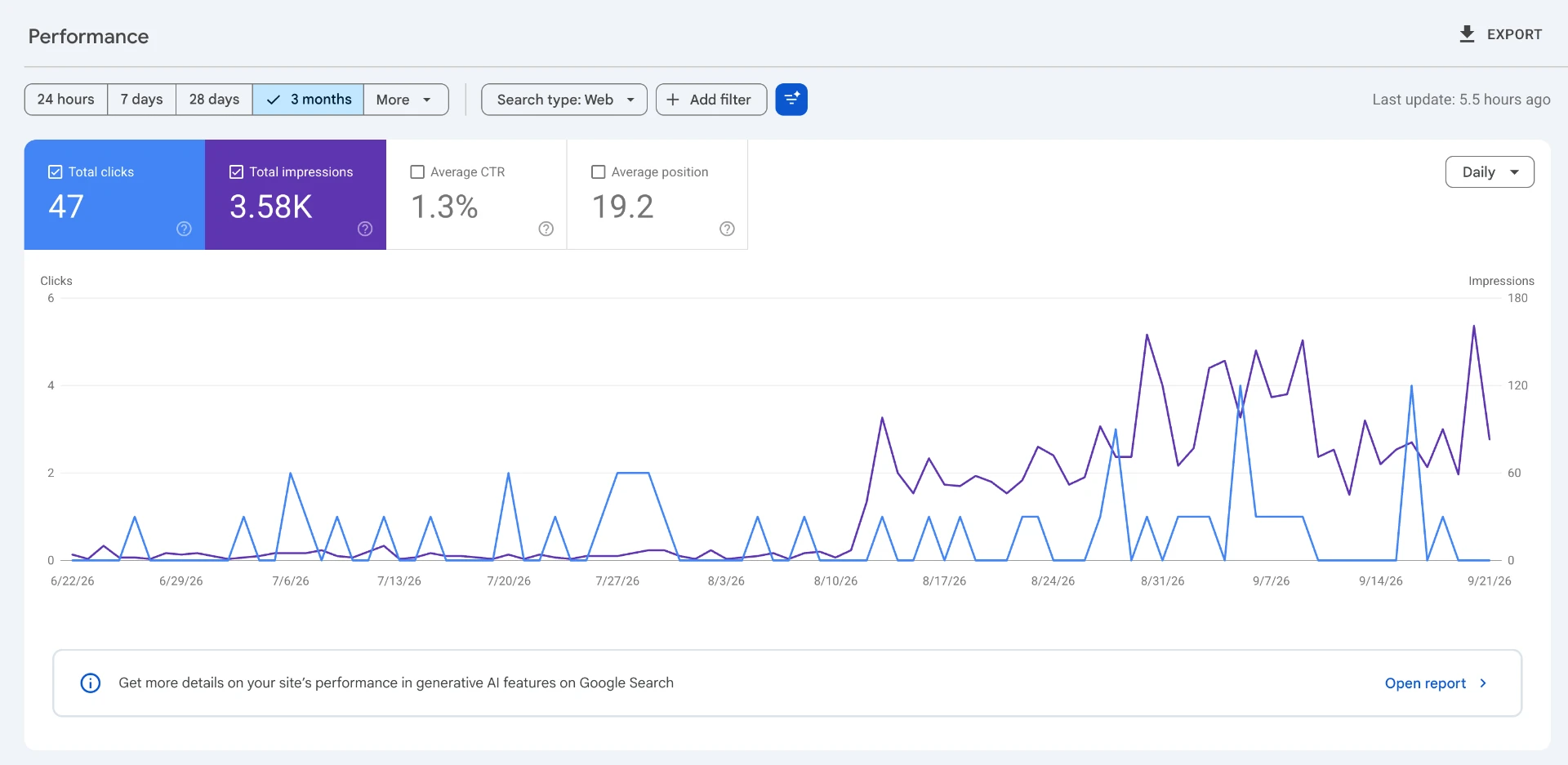
"I set the cadence once in March and have not touched it since. ChatGPT now cites our guides, which I did not see coming."
Start auto-writing for your site today
Create a free account, connect your site and generate your first article in minutes. No credit card needed.